
Change is possible. In any area of life
Not through belief. Not through promises. But through understanding how change actually works



is possible. In any area of life
Principles that work
Most people try to change outcomes. Few stop to understand the principles behind them. We work with those principles.
At some point, what used to work… stops working
This is not a failure. It’s a transition.
Growth rarely announces itself loudly. More often, it feels like friction. You do the right things. You apply effort. But the results no longer match the energy you invest.


You’ve reached a plateau
Progress slows down. Not because you’re stuck — but because the current model has reached its limit.


The same patterns repeat
Different situations. Similar outcomes. This is usually not bad luck — it’s structure you haven’t fully seen yet.


There’s a quiet sense of exhaustion
On the outside, things may look fine. On the inside, something feels misaligned. Not broken. Just outdated.
These moments don’t mean something went wrong. They usually mean something deeper is ready to be understood.
Change is possible. In any area of life
Lasting change follows principles — not effort
When you understand the logic, results become a consequence — not a struggle.
Most attempts at change focus on outcomes. More money. Better health. Different relationships. But outcomes don’t create change. They reveal it. What actually matters is the structure behind actions, decisions, and habits — the part most people never look at.
Principle over pressure
Trying harder rarely solves systemic issues. Understanding does.
Cause before effect
What shows up in life is usually a result —
not a starting point.
Repeatability
When the process is clear,
change stops being accidental.
This is not about belief. It’s about seeing how things actually work.
Change is possible. In any area of life
Lasting change follows principles — not effort
When you understand the logic, results become a consequence — not a struggle.
Most attempts at change focus on outcomes. More money. Better health. Different relationships. But outcomes don’t create change. They reveal it. What actually matters is the structure behind actions, decisions, and habits — the part most people never look at.
Principle over pressure
Trying harder rarely solves systemic issues. Understanding does.
Cause before effect
What shows up in life is usually a result —
not a starting point.
Repeatability
When the process is clear,
change stops being accidental.
This is not about belief. It’s about seeing how things actually work.
Less belief. More observation.
Inna and Bill study change the same way others study systems.
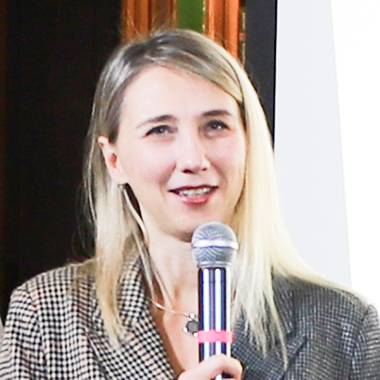
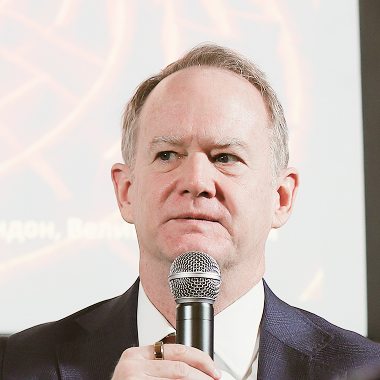
By observing what actually happens when principles are applied in real, demanding environments — situations where results matter, across complex, high-stakes life circumstances, and across very different people, cultures, and fields of life.
Not once. Not theoretically. But repeatedly.
They don’t offer universal answers. They don’t promise outcomes. And they don’t ask for belief — only for observation and personal verification. There are clear, observable patterns. Certain principles show up again and again — regardless of context or background. Their work is about working with these principles and making them clear enough for people to apply on their own.
No drama. No grand claims. Just careful thinking, tested in real life.
If change follows a logic, the next question is simple: How can you engage with it?
Less belief. More observation.
Inna and Bill study change the same way others study systems.
By observing what actually happens when principles are applied in real, demanding environments — situations where results matter, across complex, high-stakes life circumstances, and across very different people, cultures, and fields of life.
Not once. Not theoretically. But repeatedly.
They don’t offer universal answers. They don’t promise outcomes. And they don’t ask for belief — only for observation and personal verification. There are clear, observable patterns. Certain principles show up again and again — regardless of context or background. Their work is about working with these principles and making them clear enough for people to apply on their own.
No drama. No grand claims. Just careful thinking, tested in real life.
If change follows a logic, the next question is simple: How can you engage with it?